20 Freezer-Friendly Dinners to Make Ahead
Some links in our guides may earn us a commission at no extra cost to you — here's why we only recommend what we'd buy.

Jump to a section
There is a special kind of weeknight relief that comes from opening the freezer and finding dinner already half-made. Freezer meals are the highest-leverage cooking you can do: one focused session produces weeks of dinners that only need thawing and reheating.
But not everything belongs in the freezer, and the difference between a freezer meal that tastes great and one that tastes like disappointment comes down to technique. This guide gives you 20 freezer-friendly dinner ideas grouped by type, plus honest guidance on what freezes well, what does not, and how to thaw and reheat everything safely.
How to Freeze Meals Right
Before the ideas, the method. Good freezer technique matters more than the recipe you choose.
- Cool first, fast. Get cooked food into the freezer reasonably quickly — within 2 hours of cooking. Divide big batches into shallow containers so they cool faster, or set the pot in an ice bath.
- Flat-freeze in bags. For soups, stews, sauces, and marinated raw meats, use zip-top freezer bags, press out the air, and freeze them flat. They thaw dramatically faster than a deep container and stack neatly like files.
- Leave headspace. Liquids expand when frozen. Leave about an inch of space in rigid containers or the lids will pop.
- Label everything. Name, date, and reheating instructions on every package. Frozen mystery meals do not get eaten. A strip of masking tape and a marker is all you need.
- Best quality window: 3 months. Food kept continuously frozen stays safe indefinitely in theory, but texture and flavor decline. For best quality, use freezer meals within about 3 months.
DinnerSolved tip: Freeze components, not just finished meals. A bag of cooked shredded chicken, a bag of cooked rice, and a bag of soup base combine into a dozen different dinners with almost no extra work.
Soups and Stews (5 ideas)
Soups are the undisputed champions of the freezer. They freeze flat, reheat evenly, and often taste better after the flavors meld.
- Classic chicken soup — broth, shredded chicken, carrots, celery, onion. Freeze without the noodles; add fresh-cooked noodles or rice when reheating.
- Beef and vegetable stew — browned beef chunks, potatoes, carrots, peas in a thickened broth. Hearty and reheats beautifully.
- Lentil soup — red or brown lentils, onion, carrot, cumin, and broth. Cheap, filling, and practically indestructible in the freezer.
- Chili (bean or beef) — one of the best freezer meals that exists. Portion into family-size bags and freeze flat.
- Butternut squash soup — roasted squash blended with onion, apple, and a little ginger. Freezes silky; stir well when reheating.
Dump Bags: Raw Ingredients, Cook Later (5 ideas)
Dump bags are raw ingredients plus marinade or sauce, frozen together in a bag. On cook day, thaw and cook as directed — the marinade works while it thaws. Label each bag with the cooking method.
- Teriyaki chicken bags — chicken thighs, soy sauce, honey, garlic, ginger. Thaw, then bake or air fry.
- Fajita bags — sliced chicken or beef, bell peppers, onion, fajita seasoning, a squeeze of lime. Thaw, then sear in a hot skillet.
- Honey garlic pork bags — pork tenderloin pieces, honey, garlic, soy sauce. Thaw, then slow cook or bake.
- Lemon herb chicken bags — chicken breasts, olive oil, lemon juice, garlic, oregano. Thaw, then grill, bake, or air fry.
- Beef stew starter bags — raw stew beef, chopped onion, carrots, celery, and a bay leaf. Thaw, then brown and slow cook with broth added at cook time.
Casseroles and Bakes (5 ideas)
Assemble in a freezer-safe dish, freeze before or after baking, and reheat from thawed for the best texture.
- Baked ziti — pasta, marinara, ricotta, mozzarella. Assemble, freeze unbaked, thaw overnight, then bake.
- Chicken enchiladas — rolled tortillas with shredded chicken, covered in sauce and cheese. A freezer classic.
- Shepherd's pie — seasoned ground meat and vegetables under mashed potato. Freeze in the dish; thaw before baking so the potato heats through.
- Lasagna — assemble fully, freeze unbaked in a disposable foil pan, thaw overnight, bake as usual.
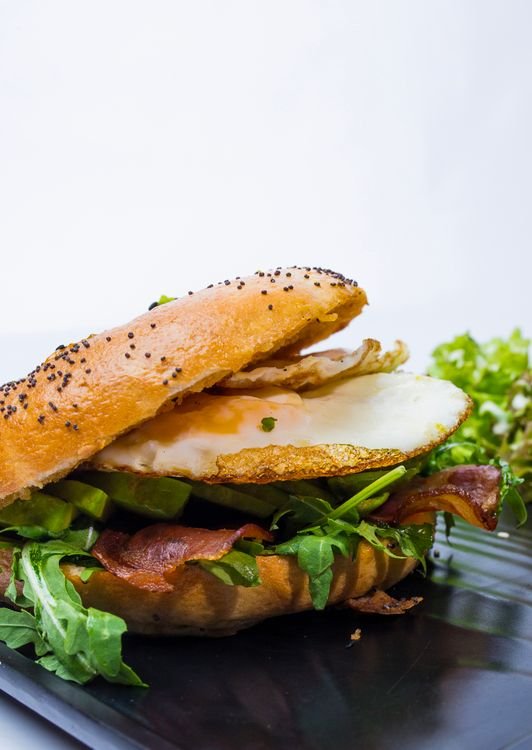
- Breakfast-for-dinner strata — cubed bread, eggs, cheese, and sausage or vegetables. Assemble, freeze, thaw, and bake for an easy brinner night.
Cooked Grains and Proteins (5 ideas)
The unsung heroes: plain cooked components that turn into dinner in minutes.
- Shredded chicken — poach or slow cook a big batch, shred, freeze in 2-cup portions. Tacos, soups, salads, quesadillas.
- Seasoned ground turkey or beef — browned with onion and garlic, frozen in flat bags. Instant pasta sauce, taco, or chili base.
- Cooked rice — freezes surprisingly well. Portion into bags, flatten, and reheat with a sprinkle of water.
- Pulled pork — slow cooked with simple seasoning, frozen in its juices. Sandwiches, burritos, nachos.
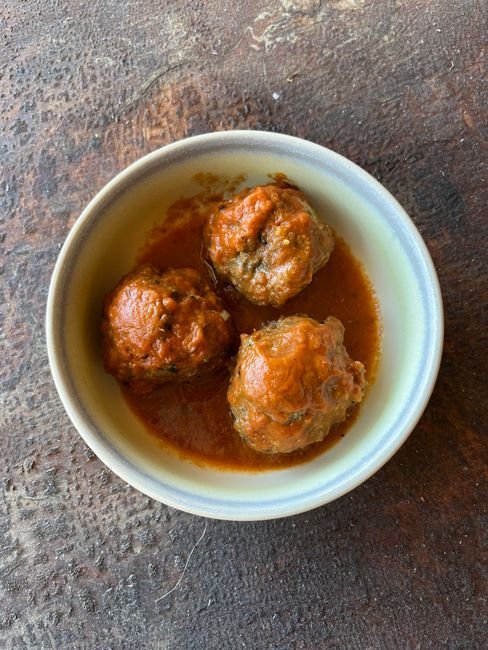
- Meatballs — baked, cooled, frozen on a tray then bagged so they stay separate. Drop frozen into simmering sauce.
What Does NOT Freeze Well
Honesty section. Freezing these is possible but the texture cost is real — better to add them fresh at serving time:
- Raw salad greens and fresh herbs — turn limp and watery. Add fresh.
- Hard-boiled eggs — the whites go rubbery. Chop fresh eggs into thawed dishes instead.
- Crispy or fried coatings — breading and fried textures go soggy. Freeze the uncoated protein and crisp it fresh.
- Cream and cheese sauces — can split or turn grainy. Many reheat acceptably with vigorous stirring, but tomato-based sauces freeze far more reliably.
- Whole raw potatoes — develop a grainy, unpleasant texture. Cooked potatoes in soups and stews are fine.
- Mayonnaise-based salads — egg salad, tuna salad, and coleslaw separate in the freezer. Make them fresh.
- Pasta cooked to soft — goes mushy on reheating. Undercook pasta slightly if it will be frozen in a dish, or add freshly cooked pasta at serving time.
Thawing and Reheating Safely
The safety rules for freezer meals are straightforward:
- Thaw in the fridge — move the meal from freezer to refrigerator the night before (24 hours for large items like a whole lasagna). Cold-water thawing works for sealed bags in a hurry: submerge in cold water, changing the water every 30 minutes.
- Never thaw on the counter all day. Room-temperature thawing lets the outer layers sit in the bacterial danger zone while the center is still frozen.
- Reheat to 165°F (74°C). Leftovers and reheated freezer meals should reach 165°F (74°C) throughout — steaming hot, not just warm. Stir soups and casseroles partway for even heating.
- Reheat once. Thaw it, heat it, eat it. Repeated cooling and reheating cycles are where food safety problems start.
- Soups from frozen: many soups can go straight from freezer to pot over medium-low heat — just allow extra time and stir often. Dense casseroles should be thawed first for even results.
DinnerSolved tip: Keep a running freezer inventory on the fridge door — a simple list of what is in there and when it went in. The best freezer meal is the one you actually remember to thaw.
Start with one category — soups are the easiest win — and build from there. Within a month you can have a freezer that quietly covers your two hardest weeknights, every week.