Cheap Family Dinners Under $10
Some links in our guides may earn us a commission at no extra cost to you — here's why we only recommend what we'd buy.

Jump to a section
“Cheap family dinner” gets thrown around a lot online, and too often the math only works if you already own a fully stocked pantry, a chest freezer, and a garden. This list is honest about what it assumes. Every dinner below is built to feed about four people for roughly $10 or less in typical US supermarket prices — using ingredients you buy that week, not a fantasy pantry.
Prices move around by region and season, so think of the $10 as a target, not a guarantee. The cost logic with each idea explains why it stays cheap, so you can adapt when prices shift.
What “Under $10” Honestly Assumes
No dinner is cheap in a vacuum. These ideas assume you keep a small set of basics on hand — the kind of staples most home cooks buy once and use for weeks:
- Cooking fat and seasoning: vegetable or olive oil, salt, black pepper, and a few dried spices (garlic powder, chili flakes, Italian seasoning).
- Staple starches: rice, dried pasta, and all-purpose flour — bought in normal-size bags, not bulk.
- Aromatics: onions and garlic, which are among the cheapest flavor-builders in the store.
- Eggs: kept in the fridge as a matter of course.
That is the whole assumed pantry. If you are starting from a completely empty kitchen, your first shop will cost more than $10 — but from the second week on, these dinners land where they should. Everything else in each recipe is bought fresh for that meal.
Pantry-First Dinners
These lean on rice, pasta, and beans — the cheapest filling ingredients in the grocery store.
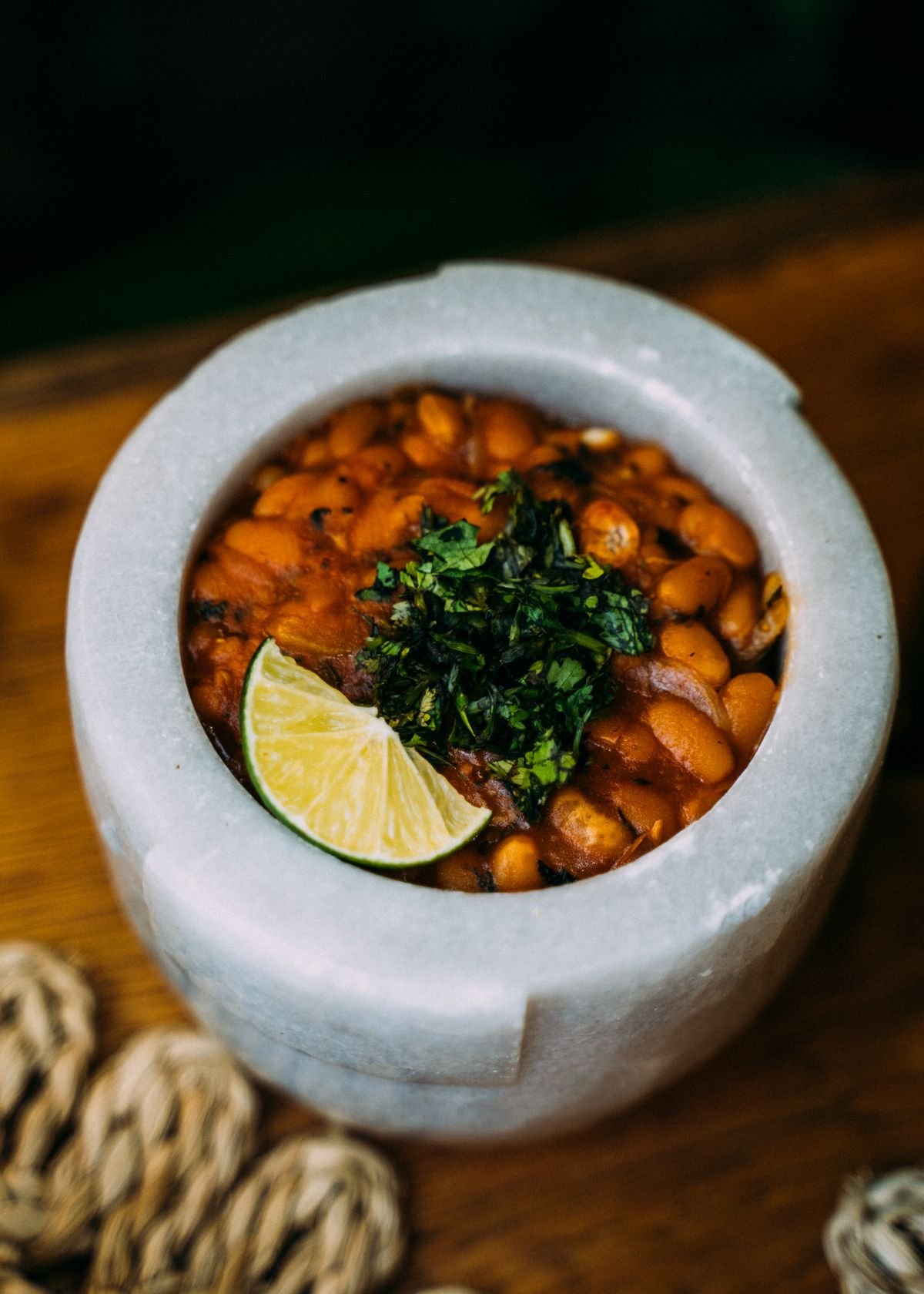
1. Bean and Cheese Burritos
Canned refried or black beans, shredded cheese, and tortillas are the whole shopping list. The cost logic is simple: beans are one of the cheapest protein sources per serving, and tortillas bought in a pack of ten cost very little each. Warm the beans with a little garlic and cumin so they taste like something, not just filler.
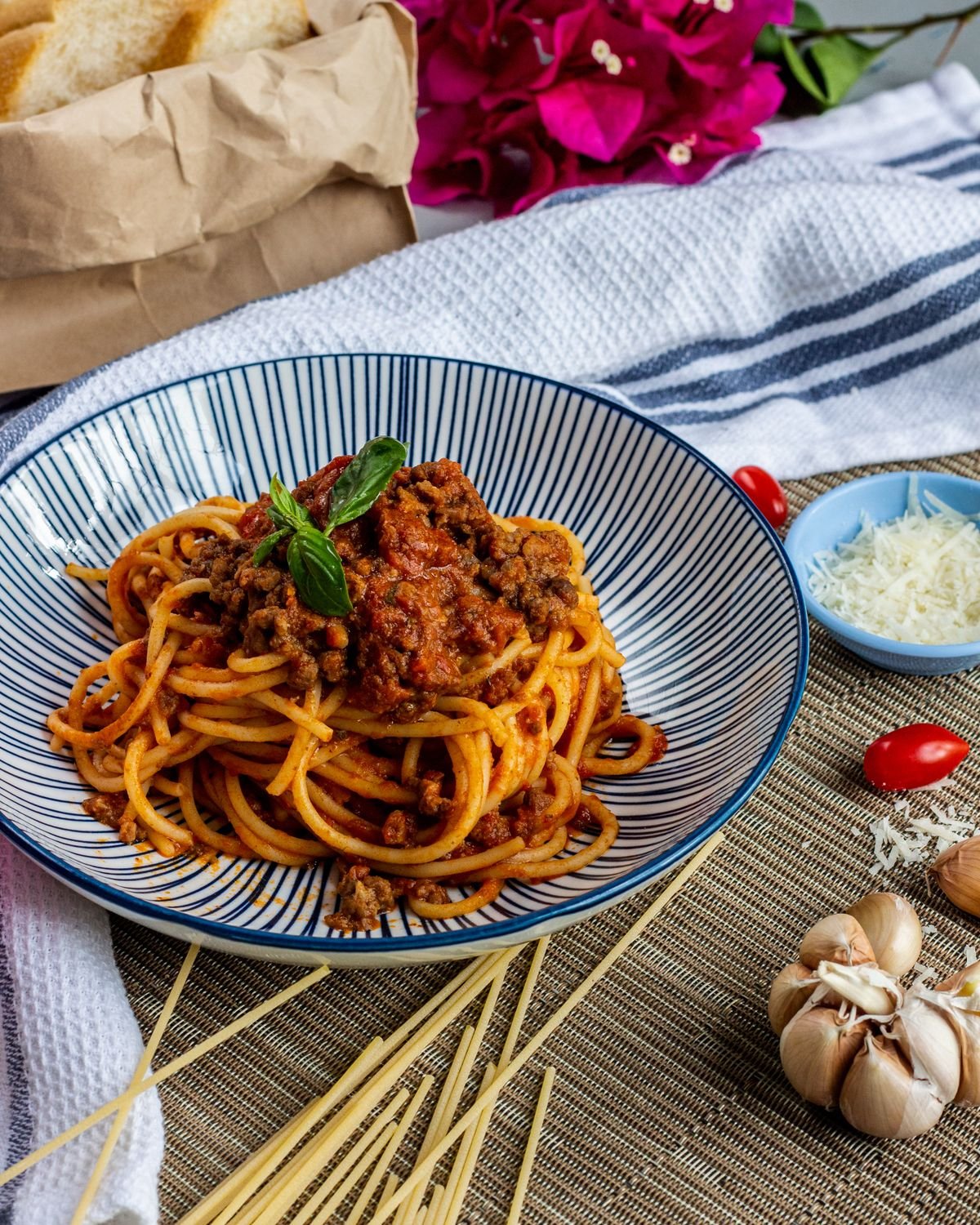
2. Garlic Butter Pasta with Peas
A pound of spaghetti, butter, garlic, and a bag of frozen peas. The peas do the heavy lifting here — they add color, sweetness, and actual vegetables for a fraction of what fresh produce costs. Finish with black pepper and whatever hard cheese is in the fridge.
3. Egg Fried Rice with Frozen Vegetables
Day-old rice (or rice cooked earlier and cooled), scrambled eggs, frozen mixed vegetables, and soy sauce. Rice and eggs are both budget staples, and frozen vegetables cost less than fresh while wasting nothing — no limp half-bag of salad to throw away on Thursday.
4. Tuna Pasta Bake
Pasta, two cans of tuna, a can of condensed soup or a quick flour-and-milk sauce, and frozen peas or corn, topped with breadcrumbs and baked until golden. Canned tuna is shelf-stable protein at a low price per serving, and the bake format turns humble ingredients into something the whole table will eat.
Eggs to the Rescue
Eggs remain one of the most affordable complete proteins available. When the budget is tight, dinner can absolutely be built around them.
5. Vegetable Frittata
A dozen eggs (or eight, stretched with a splash of milk), whatever vegetables need using up, and cheese if you have it. The honest math: eggs plus leftover vegetables plus toast costs very little and delivers a genuinely balanced dinner — protein, vegetables, and carbs on one plate.
6. Breakfast for Dinner: Pancakes and Eggs
Flour, milk, eggs, and a little sugar make a tall stack of pancakes; scrambled or fried eggs on the side add protein. Kids reliably love this one, and the ingredient cost is mostly the eggs. Add sliced bananas or frozen berries if the budget allows.
7. Shakshuka
Eggs poached directly in a skillet of simmering canned tomatoes, onion, bell pepper, and spices, served with crusty bread for scooping. Canned tomatoes are cheap year-round (unlike fresh ones), and the whole dish needs nothing but bread alongside it.
DinnerSolved tip: The cheapest protein in the meat case is rarely chicken breast. Chicken thighs, drumsticks, pork shoulder, and whole chickens consistently cost less per pound than boneless skinless breasts — and thighs and drumsticks stay juicier through weeknight cooking anyway.
Stretch Proteins and Hearty Soups
Soups and sheet-pan meals turn modest amounts of meat and vegetables into generous family dinners.
8. Chicken Thigh Sheet Pan Dinner
Bone-in chicken thighs, potatoes, and carrots roasted on one pan with oil, salt, and paprika. Thighs cost notably less per pound than breasts and roast up crispy-skinned and juicy. Potatoes and carrots are among the cheapest vegetables per pound, and the sheet pan means minimal cleanup.
9. Red Lentil Soup
Red lentils, onion, carrot, garlic, and broth or water with cumin and lemon. Dried lentils are astonishingly cheap per serving, cook in about 20 minutes with no soaking, and blend into a thick, satisfying soup. A loaf of bread alongside makes it a full meal.
10. Sausage and Cabbage Skillet
Sliced smoked sausage browned with shredded cabbage, onion, and a little mustard. Sausage is a flavor-dense protein — a little goes a long way — and cabbage is one of the lowest-cost vegetables in the store. One skillet, about 25 minutes.
11. Loaded Potato Soup
Potatoes simmered with onion and garlic, blended or mashed until thick, finished with a little cheese and sour cream. Potatoes are cheap, filling, and universally liked; the toppings make a humble soup feel like an event. (In the UK, this style of soup is just as at home — potatoes are a staple there too.)
Bulk-Buy Notes That Actually Save Money
You do not need a warehouse membership to benefit from buying smart. A few targeted habits cut the weekly bill noticeably:
- Buy the big bag of rice and dried pasta. The per-pound price drops sharply at larger sizes, and both keep for months in a sealed container.
- Frozen vegetables over fresh for cooked dishes. They are picked and frozen at peak ripeness, cost less, and generate zero waste.
- Store brands for basics. For canned tomatoes, beans, pasta, and frozen vegetables, the store brand is usually identical in quality to the name brand at a lower price.
- Shop the markdown rack. Produce marked down for quick sale is perfect for same-day soups, stir-fries, and frittatas — cooking hides every cosmetic flaw.
- Compare the per-unit price on the shelf tag, not the package price. The bigger box is not always cheaper per ounce.
DinnerSolved tip: Plan just three or four dinners per week instead of seven. Most families end up with leftovers, takeout, or simple nights (like the egg fried rice above) filling the gaps. Planning fewer meals means buying less food that goes uneaten — and wasted food is the most expensive food of all.
Eating Well on Less Is a Skill, Not a Sacrifice
None of these dinners taste like compromise. They are built the way good home cooking has always been built: on inexpensive staples, smart protein choices, and vegetables that pull their weight. Keep the small pantry stocked, buy the cheap cuts, waste nothing — and the $10 target stops feeling like a stretch and starts feeling like a habit. Refrigerate leftovers within 2 hours and use them within 3–4 days, and every one of these ideas happily covers lunch the next day too.